


Vijayapura
Steeped in history and architectural grandeur, Vijayapura stands as a living museum of the Deccan’s glorious past. From the majestic Gol Gumbaz to the intricate beauty of Bara Kaman and the timeless Ibrahim Rauza, Shivagiri Temple, Shankaralinga Temple - every monument here tells a story of art, culture, and resilience.
As part of the Vrukshathon Heritage Run, we celebrate this legacy by inviting runners to experience Vijayapura beyond its walls and domes - to feel its soul, its rhythm, and its enduring spirit. With every stride, participants reconnect with history, embrace sustainability, and contribute to a greener, more vibrant tomorrow.
Let’s run where history lives and greenery grows - celebrating heritage, health, and harmony with nature.
Registration ClosedFrom royal mausoleums and sultanate-era mosques to temples, ashrams and institutions that still shape the city today - every landmark here is part of the route the Vrukshathon Heritage Run celebrates.
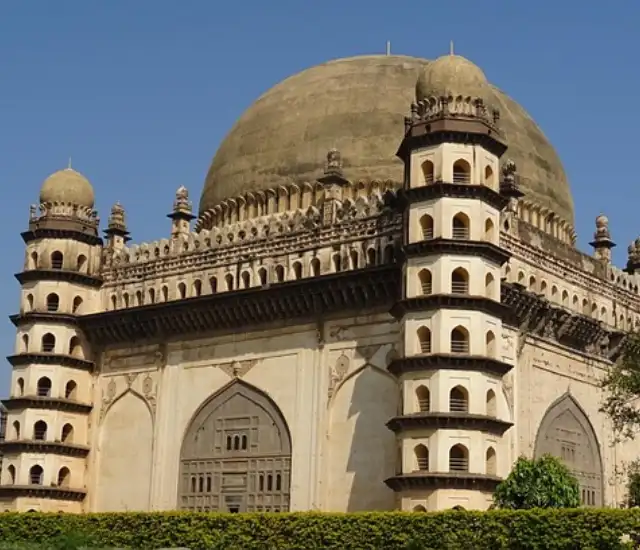
Gol Gumbaz, the mausoleum of Muhammed Adil Shah, was built in 1656 by architect Yaqut of Dabul. Its name means “circular dome” - fitting for the world's second-largest dome.
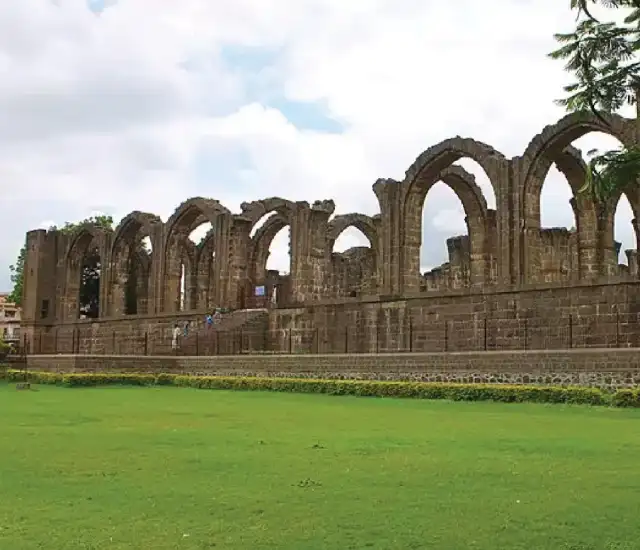
Bara Kaman, or “twelve arches,” was envisioned in 1672 A.D. as the grand mausoleum of Ali Adil Shah II, his wife Chand Bibi, and family. Only two of the planned arches were ever completed.
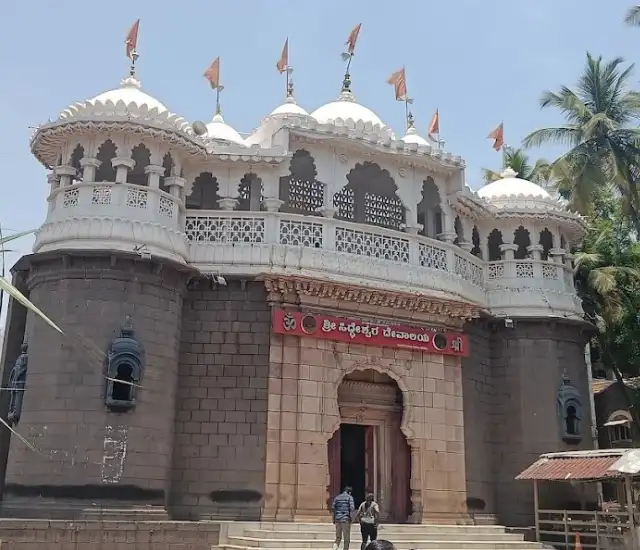
Built of polished Badami stone, this rectangular temple houses a bust image of Pannagabhushana Shiva - or Siddeshwara - in its main sanctum, with only the face visible.
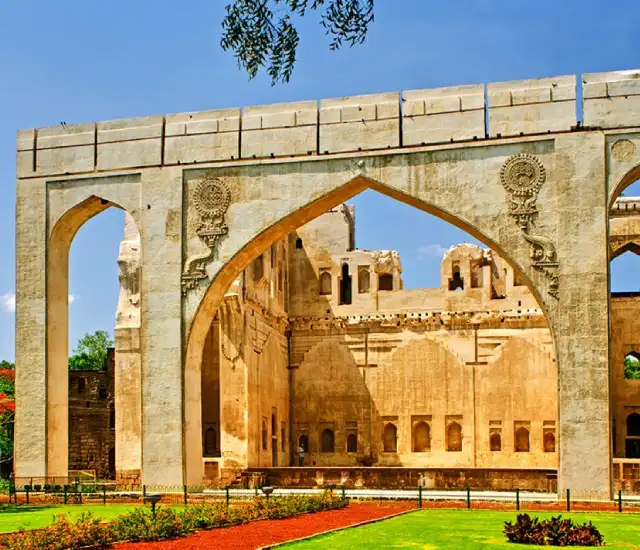
Built in 1561 A.D. west of Anand Mahal, Gagan Mahal served as a royal residence and court hall. Its grand arched audience hall remains the standout feature, though the upper storey is now lost.
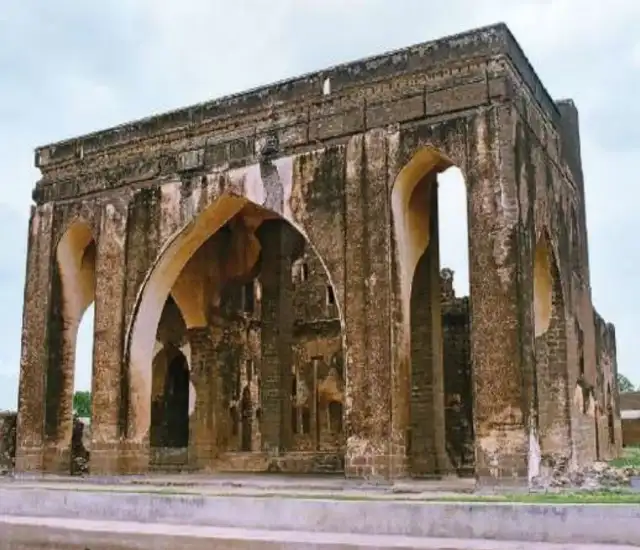
This 16th-century monument, 3 km from Bijapur town, preserves the remains of a palace and pond. It was built specifically for the entertainment of the royal court's women.
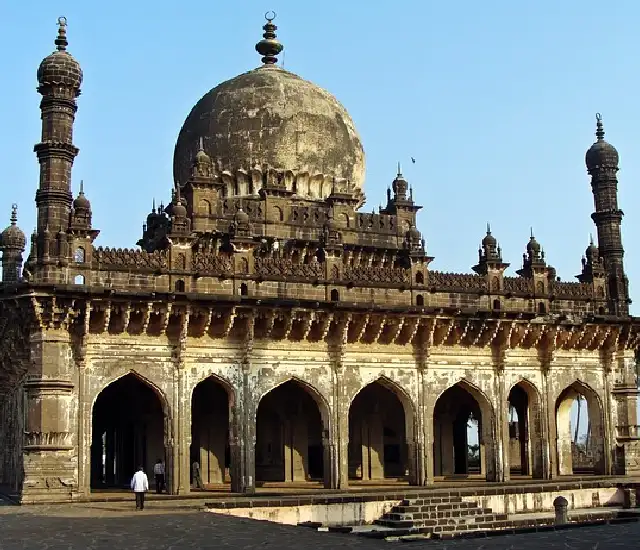
Built in the mid-17th century by Ibrahim Adil Shah II for his wife Taj Sultana, Ibrahim Rauza pairs a mausoleum and mosque in elegant Indo-Islamic style, crowned with onion domes and slender minarets.
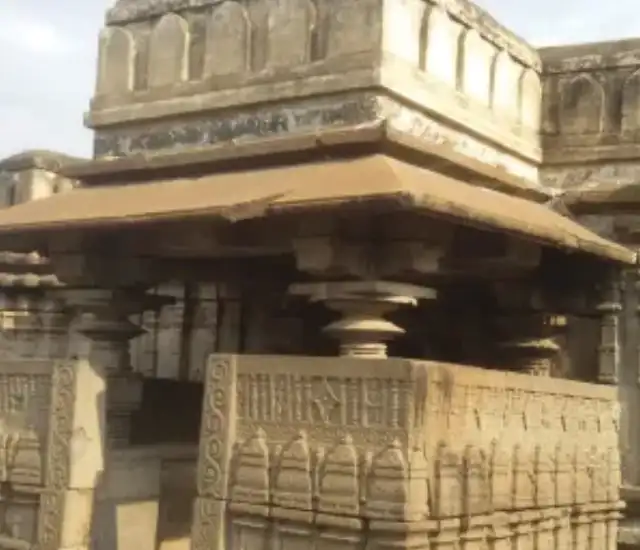
This temple's pillared hall holds three mukhamandapas and a kakshasana, rising over an adhishtana of jagate, kumuda and kapota. Its walls alternate pilasters with detailed sculpture.
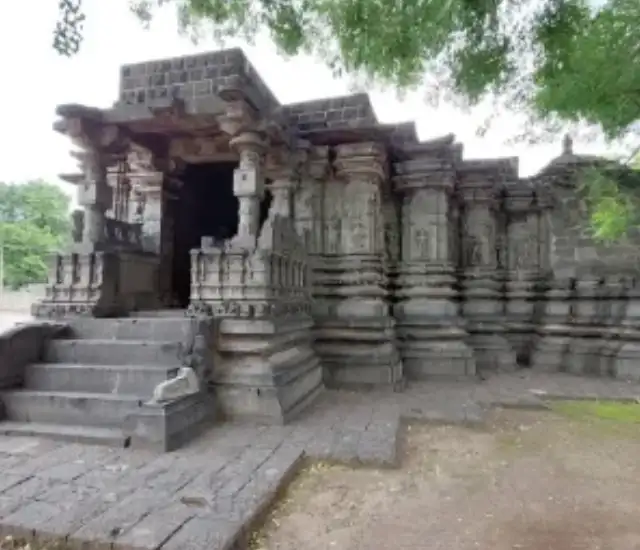
Built in the 12th century CE in Western Chalukyan style, this temple has a garbhagriha, vestibule and closed mandapa with four pillars. It has no Sikhara, just a roughly-cut pyramidal tower.
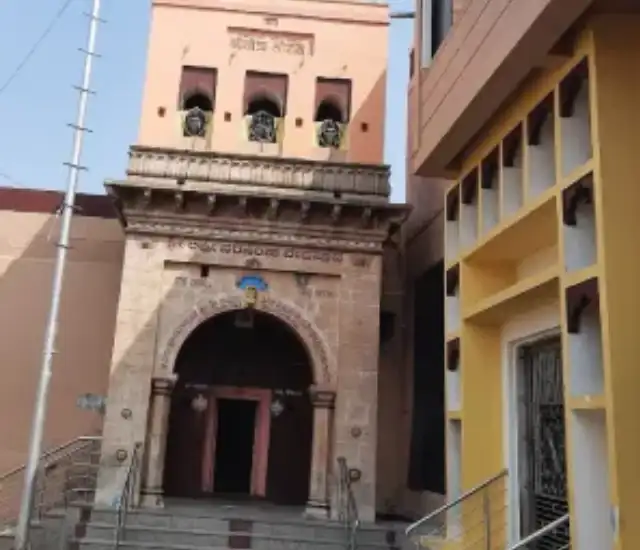
This 1,000-year-old temple of Lord Narasimha sits by a lake and fort, having survived both Mughal and British rule. Its main idol rests inside a narrow cave-like passage.
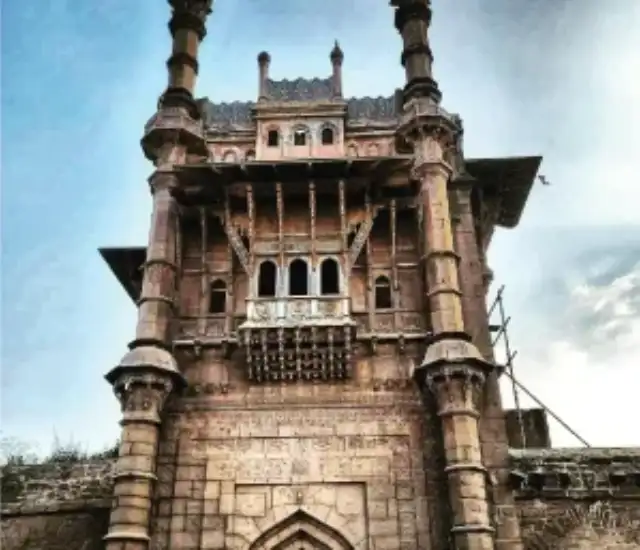
Built under Ibrahim Adil Shah II, this ornamental gateway leads to the Mehtar Mosque. Legend holds the emperor's sweeper funded it with gifted gold coins - earning it the name “The Sweeper's Palace.”
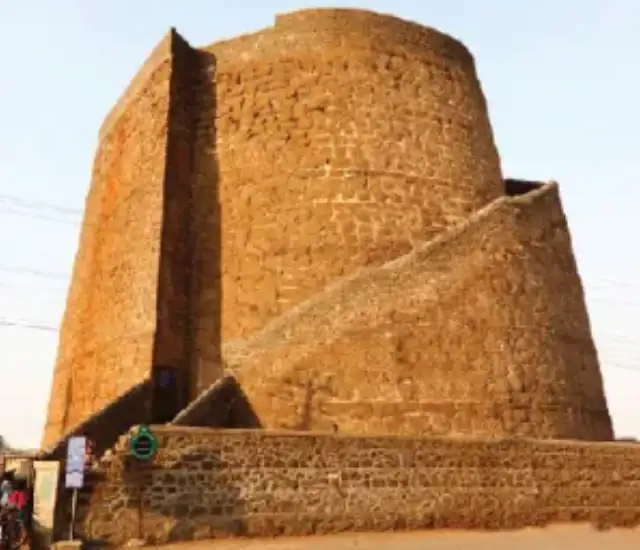
Built around 1584 by Hyder Khan, this 80-foot spherical tower - also called Hyder Burj - offers commanding city views via its winding stone steps. Two massive guns still sit at its top.
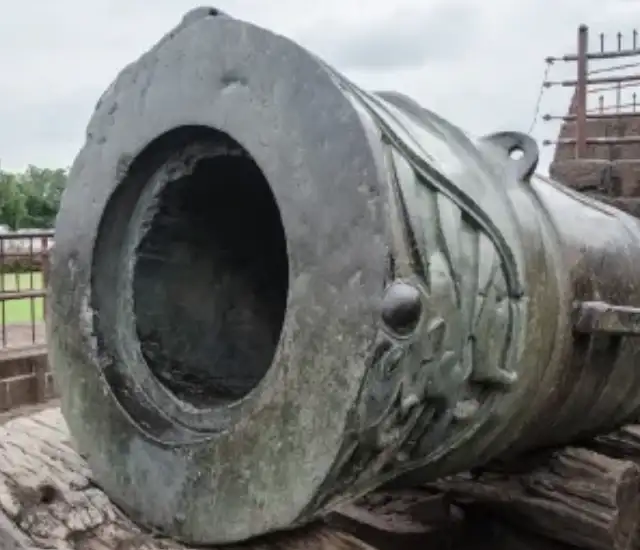
“Lord of the Battlefield” is a huge cannon set atop Sherzah Burj in 1549 by Muhammad Adil Shah I. Believed to be the largest warhead of the medieval era, it faces west toward the plains.
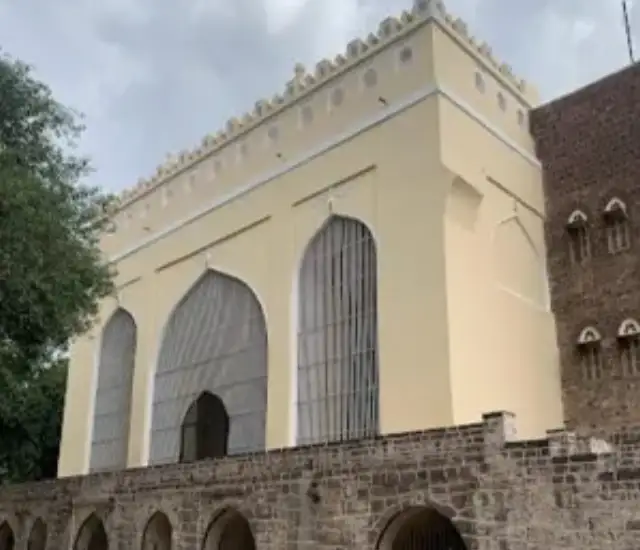
Built by Ibrahim Adil Shah II in 1589 A.D., this two-storeyed palace - now in ruins - features a stucco-ornamented roof and coloured inlay work. Balconies once let royal women watch the world outside.
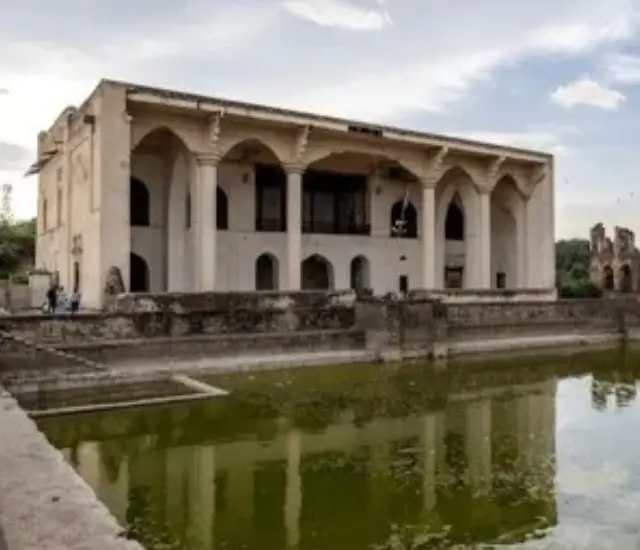
Built around 1646 by Mohammed Adil Shah as a Hall of Justice, Asar Mahal also housed relics of the Prophet's beard. Its upper-storey frescoes and tank-fronted courtyard remain, though women are not permitted inside.
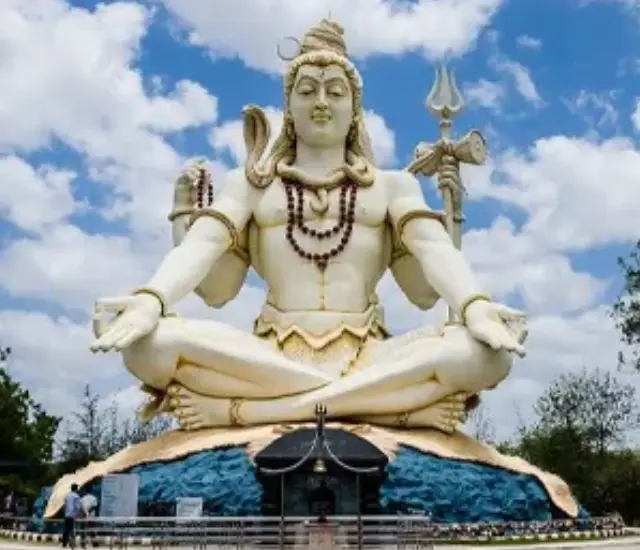
This 85-foot Lord Shiva statue was built by the Shri T. K. Patil (Banakatti) Charitable Trust. Its inauguration featured a record Tulabhara ceremony, where Shri Basant Kumar Patil weighed his mother in gold. Shivagiri now draws over 150,000 devotees each Maha Shivaratri.
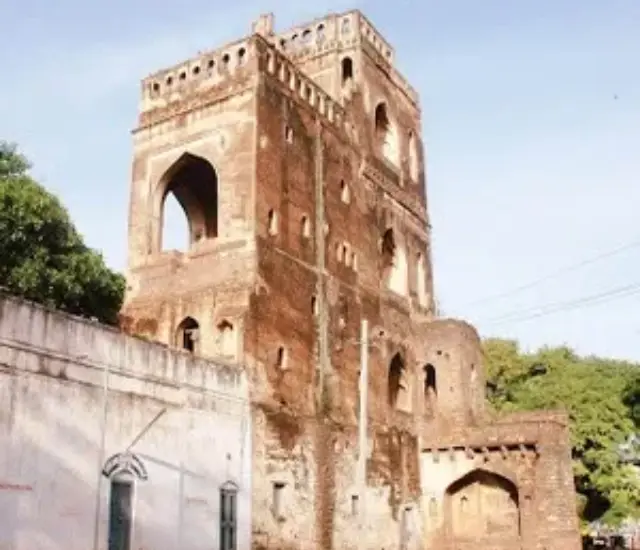
Built by Ibrahim Adil Shah II in 1583 A.D., this seven-storeyed palace once towered over the fort at 97 feet across five surviving storeys. The view from the top still rewards the climb.
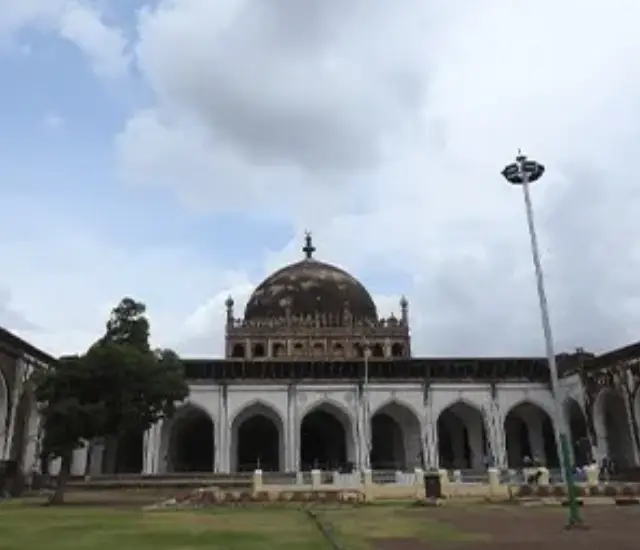
Initiated by Ali Adil Shah I in the 16th century, the Jama Masjid is Bijapur's largest mosque, with room for 4,000 worshippers - though construction was never fully completed.
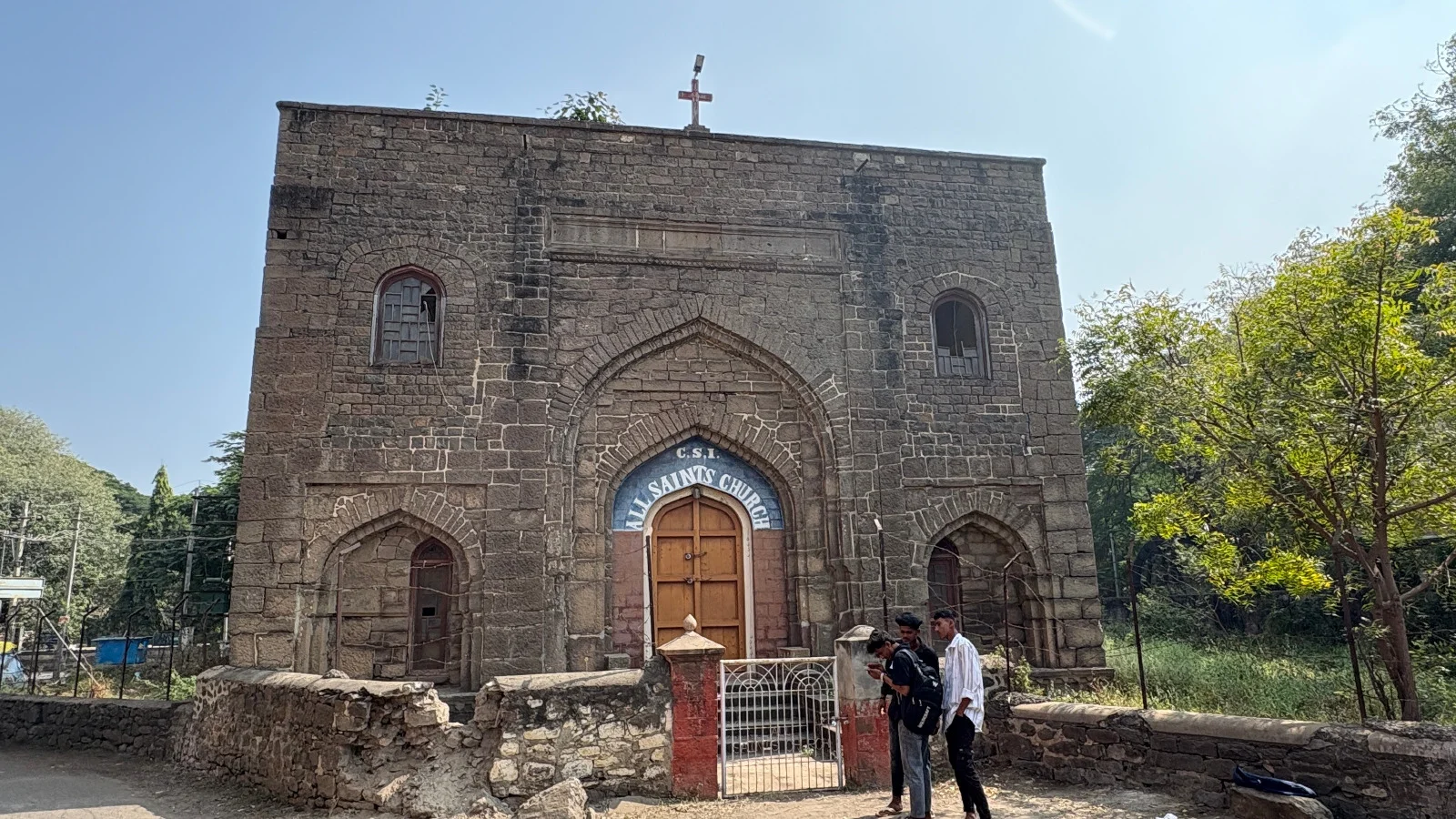
Known for its colourful interiors and colonial-era architecture, this church was originally the gateway to the Gagan Mahal palace complex before being converted by the British.
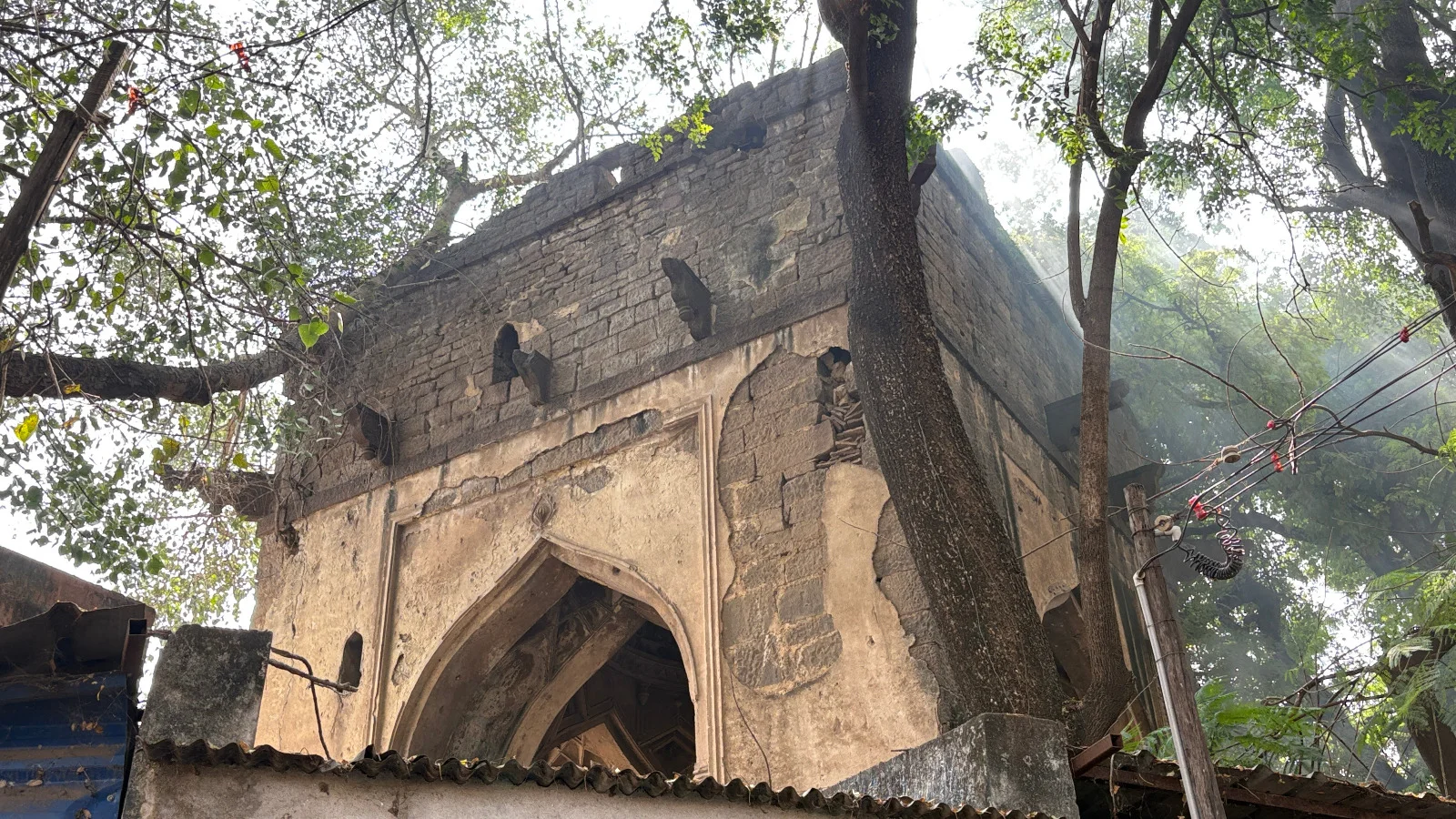
Choubara's stucco interior and twin water cisterns - one on the roof, one inside - point to construction under Ibrahim Adil Shah II, alongside the nearby Uroos Mahal and Sat Manzil.
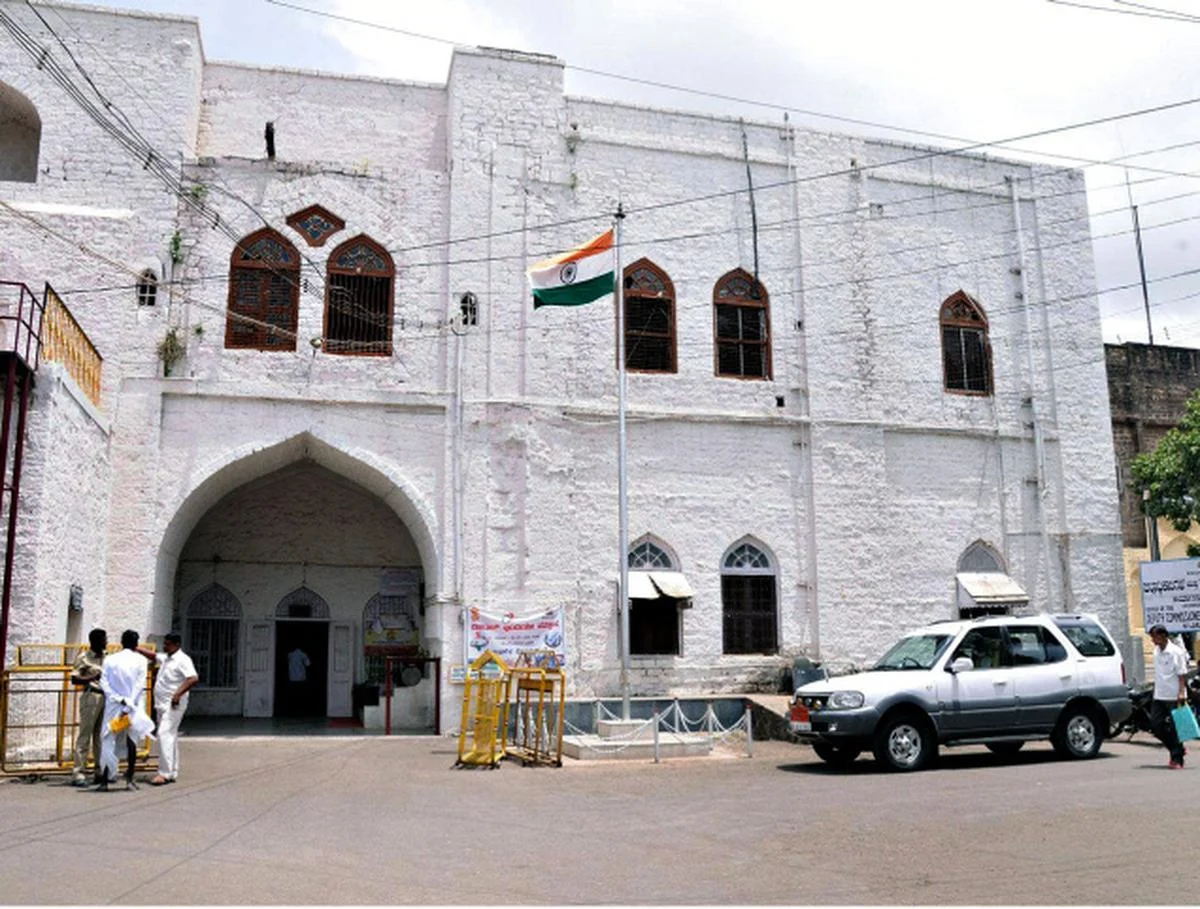
Originally a two-storied structure on wooden pillars, Adalat Mahal crumbled over time until only its fountain and parapet survived by 1844. Now the District Commissioner's residence, it still holds traces of an Adil Shahi-era garden.
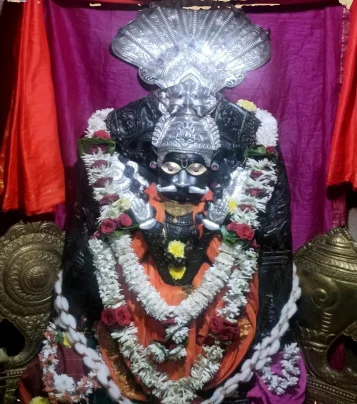
Built by Ibrahim Adilshah II in gratitude after his daughter's vision was restored, this temple - also called Narsoba Gudi - includes a causeway he built over the western moat for devotees.
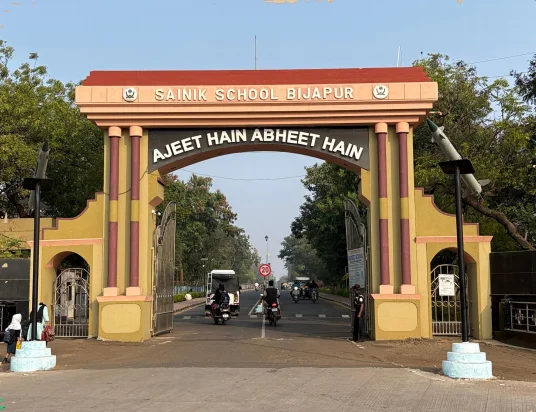
Established in 1963 at Vijaya College, Sainik School Bijapur was the country's 13th such school. Its current campus was inaugurated by Dr. Zakir Hussain in 1966, preparing boys for the Armed Forces.
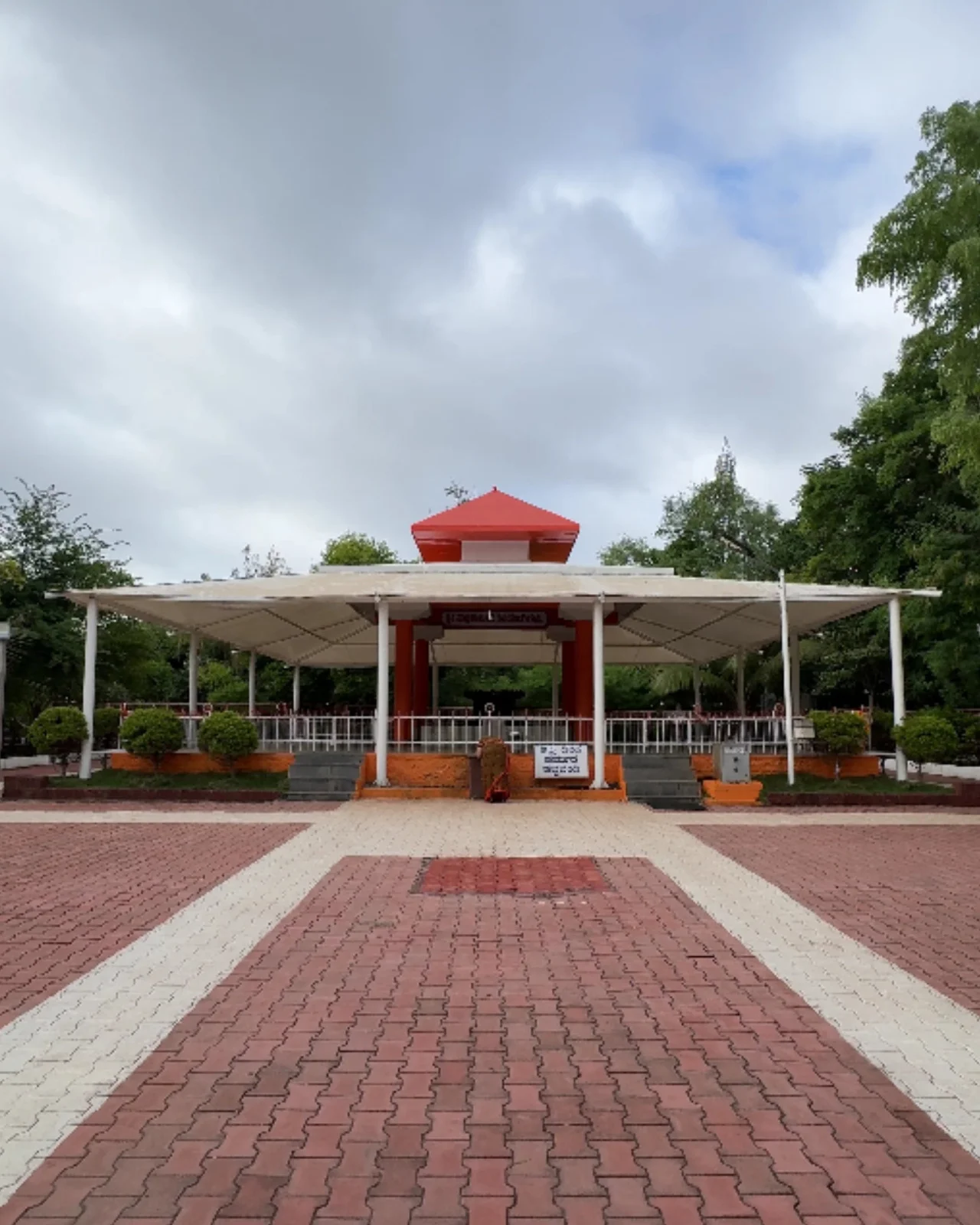
Founded by Pujya Mallikarjuna Swamiji and Pujya Siddeshwara Swamiji, this ashram draws visitors seeking the Swamijis' guidance, alongside regular discourses, yoga and bhajans.
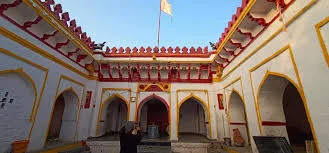
This modern temple's sanctum holds a Shiva Linga with Jyotirlinga features, fronted by a monolithic Nandi and Desai-period arches. A tall lamp pillar stands before the entrance.